Thursday, February 19, 2015

Test Day tips for USMLE


While the multiple choice format is not uncommon during our training years, an 8 hour multiple block exam is different, it needs some kind of strategy to keep yourself focused and fresh during your whole test day,  while at the beginning of a test session adrenaline can keep you up to speed during your first blocks it tends to fade away and you may feel exhausted during your last couple of blocks, it’s not uncommon that exhaustion makes you feel like reading gibberish and makes you read twice or even three times each question to understand them.

A major part of the exhaustion is caused by anxiety and a vague fear for your results, either you are counting questions to try and predict your score or feel like failing (which unfortunately it’s a really normal feeling during a really long and complex exam) and more so if you feel like the score is the most important thing in your life, first of all let’s get some things clear to ease your mind a bit:
 You cannot predict your outcome by counting your questions during the exam it only takes your attention away from the next question in the block; it consumes both your allotted time and your mental attention. 

The results are not the most important thing in your life try to put it in perspective, remember that there are other things that are more important for you, also it is not the only thing that matters for your application to a program you like, and if you fail you can take it again and it’s not the end of your career. 

Results depend mostly on your preparation, there is no other way around this you have to make your best effort and keep yourself focused toward your goals for a long period of time.

Today we are sharing some test taking tips for you to use during your exams hopefully these tips will help you get improve your performance and keep you calmed and focused.

The first answer is always the best answer

This is something you will hear very often, the first answer you think about its probably the right answer and you should really think at least three times before changing it, many of us get doubtful about our first guess and then try to change it, when in doubt trust your first guess, also if you really don’t trust your answer try and explain yourself why the new answer is better chances are you were right the first time.

In case you really want to change an answer make it only if you have a really clear argument about it. When in doubt trust your first logic.

Make your best guess

There will be times when a question doesn’t sound like anything familiar to your preparation, and that’s ok it happens, it’s in those questions where you take a guess, now logic may help you find which one might be but most importantly which of the answers you are sure are not the answer, if you can take 2 out of the group you will increase your odds up to a 50% to take a right guess.

And there will be questions where you will need to make a guess, so try and reduce your choices to the most logical probabilities.
 

Read the question again

After reading a question most of the times you have an idea of what to look for in the answers, generally the answer is there waiting for you, but when in the multiple answers there is nothing that looks like the thing you thought up, maybe it’s a mistake in your reading, so before trying to fit an answer to your own logic try and read the question again, sometimes our interpretation of the question may be wrong. This alone can help you improve your results a lot.

Don’t rush take your time

You have 8 hours to complete the test, don’t try to race to the finish line, it’s not about doing it fast, there is enough time to complete the test and not be in a hurry to finish all blocks, relax and read each question slowly, paying attention and understand the context, many of our misinterpretations come from the fact that we are racing against the clock.

There is enough time in each exam to answer and make 2 reviews of all the blocks, don’t rush, take your time and your score will be better.

Use sugar at the end

A little trick that might help you at the end, before the last 2 blocks of any given exam, go out and take some form of sugar, drink some water and take a couple of big breaths, relax for a bit and think about something else (like what you will be doing later that day) this simple action will increase your attention and will help you finish with a clear mind.

Stop Counting

As it was said before you can’t predict the outcome for these exams, don’t count the ones you think you have right or wrong, this is only keeping your attention on the count and making you waste time in the middle of an exam, try not to think about the results until they actually arrive, it’s better to focus on the question in front of you and not in the probable results of the last block.

Each question is a separate event

This is something that might help you keep relaxed and focused, think about each question in its own time and not about your last one, stop skimming forward to see the next questions, and keep your attention on the present one, each question is a separate event and you shouldn’t worry about how many wrong in a row you think you have or if the next one is a hard one or not, this only takes away attention from your current question and also makes you feel anxious about the results.

Treat each question as a separate event and focus on each one in its own time, if you leave some questions without answers, don’t think about them until you finish your block.


Hopefully these tips will help you improve your performance during test day, as always we would like you to check our products and visit us at www.usmleprepguide.com and if you have other test day tips to help everyone your are welcome to leave them in the comments section.

Wednesday, February 11, 2015

Study strategies and advice for USMLE no. 2


Continuing our previous blog on study strategies and advice for USMLE, We would like to continue recommending strategies for you to form your own strategy to tackle all the material for any Step, since having a strategy it’s important to your performance we are giving today some tips that hopefully will help you get a really great score in your tests.

Remember that preparing a step it’s not just about studying material and committing to memory facts and numbers, but also it requires you to have a strategy for preparation, a way to prepare you for the possible questions as well as highly used topics and high yield contents.

-Check the topic list:

Before starting a topic in any given subject check if it is important for the exam, there are many subjects that are not included in the exam or some that may be asked but are not regularly used, those should be the last on your list since studying the most used and high yield contents will be a more efficient use of your time.

If there is a topic you think it’s not really being used like for example (just as an example)  physiology of the auditory system, then by all means use your time and effort in a highly used topic like vitamins for example. All in all do some research about the topic you have doubts and ask in forums about it. Remember that it’s possible to ask for help when you need it.

-Write from memory

After you are done with a particularly difficult topic for you, make a quick review and write it down in your own words from memory, there is a part of our memory that helps retention when you write down those ideas. Also it will help you find those gaps that you have forgotten or where you are not sure about some fact.

Your own words will be the best way to review a subject quickly and more comprehensibly than reading cards or facts from other source.

-Check the unusual facts

There are always really unusual facts that are frequently used in the exams, like a protein named avidin that depletes a B vitamin to name one unusual fact, remember to write them down in one side of your review material, there are some that are frequently used in the exams, those particular or awkward signs and symptoms that make a disease different like blue colored sclera in osteogenesis imperfecta type 2, particularly also the clinical findings and manifestations of trisomy diseases and how you differentiate them from each other.

If you find unusual or strange data try to remember it and associate it to a disease, there may be clinical vignettes where you have to recognize the pathology using these unusual findings, including the use of images.

-Get your facts right

If you come across a fact or number that doesn’t seem right or you have doubts about its real value, double check it with a reliable source, search them in a well-known textbook or search online in official websites, it’s important to double check when in doubt since you will have one chance to get it right in the exam.

Also when you have doubts while answering question banks or simply trying to remember a topic, check again if you are not sure of some specific details, don’t leave your doubts in the air, you have to be more of a perfectionist in the case of doubts or missing pieces of information, remember that questions are made to be confusing or make you doubt your own answers so mastering each topic is really important.

-Add your own information

Whenever possible add information from your own research, you may find important details in textbooks or other sources that improve the ones you are working for your exam, add them as a side note, remember that there may be more and better ways to explain a topic that what you are currently reading, also simplicity in words and concepts are easier to remember, explain to others and use in a given situation.

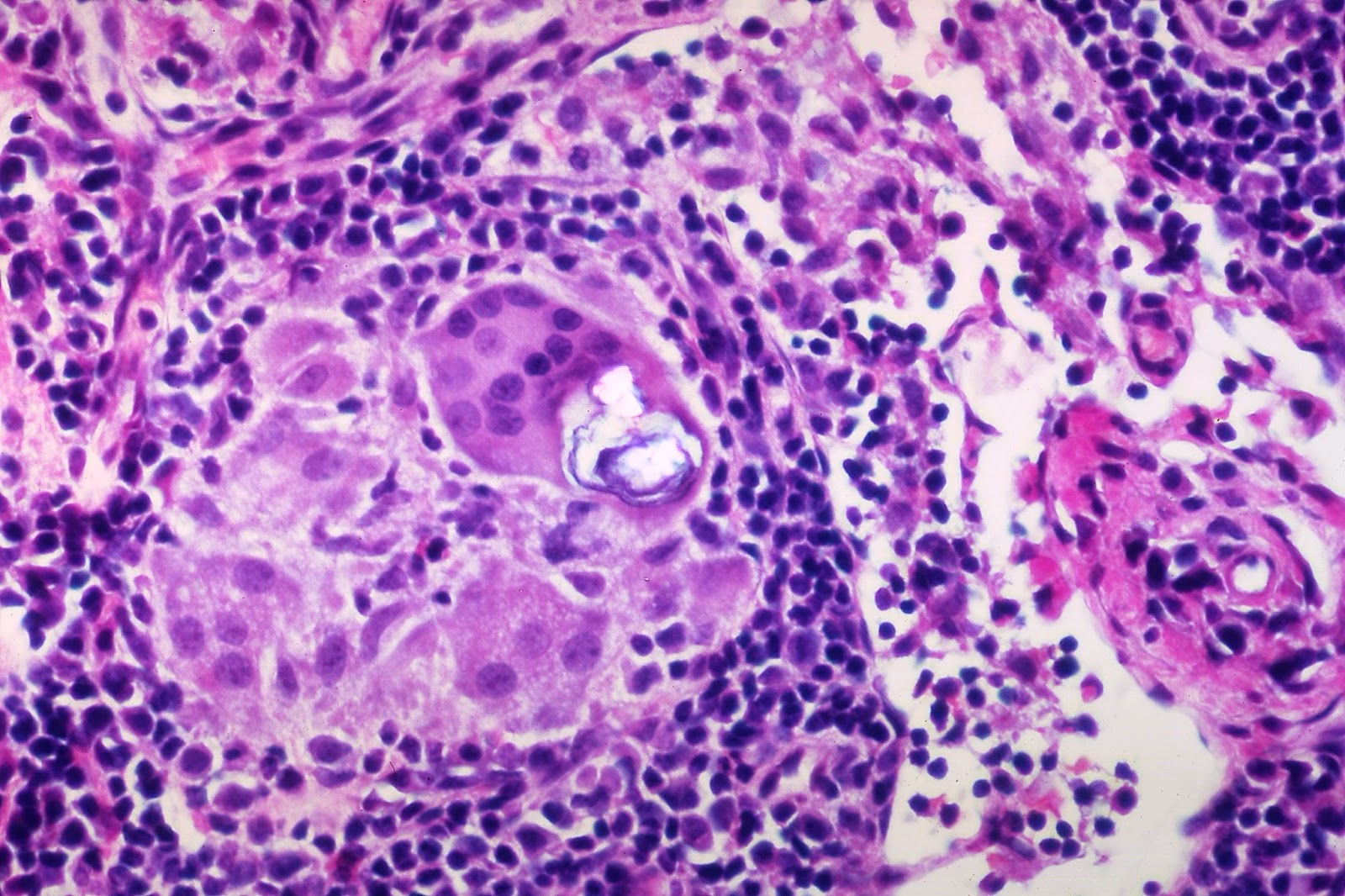
-Associate images with important facts

There is always a really important fact lying in front of you in each image, it’s not just about the recognition of a given image or relation with a diagnosis, but also important details like specific growth media, bacterial growth requirements, specific deficiencies like the case of hemophilia, commonly found anatomical regions for growing a specific type of cancer etc. 

The whole idea is to add more contents to your knowledge when identifying a specific image. So they become available once you see the image presented, this will be important for questions on pathology, histology and medical imaging (x ray, cat scans etc.)

sacroidiosis with psamoma bodies
Keep in mind these tips during your preparation to improve your retention of material, don’t forget to check our tutoring guides at www.usmleprepguide.com to have a detailed tutor for your preparation, also if you have other ideas to help for studying let us know in the comment section.

Thursday, December 11, 2014

How to choose your specialty


One of the most important decisions in your practice is the specialty you want to dedicate yourself,since this decision will define your daily life in most cases for the rest of your medical practicing years, it’s a decision that should be taken seriously and also requires you to look for as much information as possible before applying to a residency program.

There is always time:

First it’s important to take your time before deciding, there is no reason to rush your decision based on a good impression or a good mentor being great in their fields, every one of us is different and you should take your time to investigate in to all the different specialties before selecting one.

There is always time to investigate, sometimes it doesn’t take that much to know what you like, many doctors as much as 50% know from very early on what specialty they like, although this might be true many of those are trying to be like a mentor.

Remember that there is also a chance to change your specialty during your first year of residency, so it’s okay to take a chance in a specialty you decide, there is enough time to make a change.

Compare to your experience:

During your clinical rotations you will have a firsthand experience with different specialties including their daily activities, routine work, common cases, physical demands etc. your experience is one of your best tools to compare and decide, although you should look at work and not the glamorous life of some attendants, it’s important to take in consideration more of the work being done than the lifestyle some staff can have, this second part matters but it should be secondary to your decisions.

Pay attention to which rotations you found very passionate about, also discard the one you hated for reasons of work and not people, not all places are alike so if people where the problem do not discard that specialty yet, maybe it needs more consideration.

Your personality counts:

It’s important to know how you take different situations, for example the way you respond to high stressing situations, your attitude towards repetitive paperwork, contact with patients etc., be honest about your limitations and your strengths many people like to be focused for hours others get desperate when standing still for more than 15 mins., try to make the best guess of the person you are in practice, what you like and what you really don’t like so your selection has more foundation in your own personality.

There is always affinity to one type of specialists and you may have a clue of this affinity by the way you handle your relation with residents, they after all represent the personality traits of each specialty, if you find yourself getting along great with a type of residency program students maybe you could be great doing what they do.

It’s what you do:

In the end of all your studies this is the most important thing to take in consideration, it being what you will be doing for the rest of your practice, remember that not all work is done in hospitals and private practices differ from institutional work, so it’s important to consider the way of life of a graduate in your selected specialty as well as the kind of work that they do in a daily basis.

Here are some important questions you should look for a selected specialty at the end of your training:

-Patients: do they take a patient and get to know them well, or is it a high volume a day type of practice.

-Schedule: how many hours a day do they work, do they have time for family and children, travel etc.

-Free time: are they always on call, do they have time to take vacations, are their weekend free etc.

-Stress levels: is it a consultations type of work or is the work more of stressful situations.

-Team work: is it a solo operation or do they work in teams.

-Data: is it required to do research, manage data and analysis.

-Solutions: is the work about finding new solutions and problem solving or is it more a routine structured type of practice.

-Teaching: does it require teaching or talking to audiences or is it more a person to person type of work.

-Income: how much do they make a year?

Take your own research

When deciding your specialty take some time to make a little research for your decisions, there are a lot of resources online to get more information about the salaries, work hours, specialties by personality etc. for every specialty there is, but don’t just take it from the web, make some real research and try contacting real physicians that work in your selected field, ask them all that you can and all they can let you sometimes is better to ask by emails, but a call should be quicker. Don’t take for granted what you red try to contact as many as you think you need to take a decision after all this is a very important decision for your own good.

Most practicing specialist will be glad to find a student interested in their field of work, and most will happily give you some time to answer your questions, just be sure to have them written and ready before you call.

Finally your decision should be made by your own investigation and the things you like and dislike, try not to take in consideration the life of other people since they have their own practice and everyone is different, as always thanks for listening to our ideas, don’t forget to leave your comments below, and visit us at www.usmleprepguide.com and take a look at our USMLE tutoring guides.

Thursday, November 27, 2014

USMLE QUESTION BANKS


Question banks are surely one of the most helpful and used methods to prepare for USMLE examinations, it is a great way to test yourself while preparing as well as finding out those subjects you missed or for those where you are having a hard time remembering, using a question bank is surely a great way to increase your understanding and retention of all that material that needs to be covered.


The following tips are meant to improve the results you will get from using question banks:

Get used to the format:

It’s important to get used to the format in which questions are made, using question banks will help you understand how the software works, and this will give you at least 10 mins. More during the real exam since you can skip the tutorial, also is important to learn to use the lab data tab to be able to find quickly reference values.

End of session questions:

The best way to review and increase your retention of a given topic is making questions at the end of the day, at least one hour a day you should take questions of the material revised that day, and this practice will increase your understanding and retention of the material for that day. Taking questions at the end of the day will make your last review of all the material faster and more thorough.

Questions all the way:

There is no reason to wait for the last month to start using question banks, in fact you should start as early as possible, in many question banks you can select the topic you want to review making it easier to test the areas you have reviewed during the day. You should start doing question in the first month of your preparation, this practice will help to increase both your knowledge as well as the way some material will be used in questions, it is important to remember that the way topics are used in a question needs practice as well. 

Take 46 question blocks:

Most question banks can be set to emulate real blocks of 46 questions, this setting will help you in getting used to answer each question within a minute of time and leave the rest of the time to review the questions you leave in blank, also it will help you asses the time you are taking for the whole block. If you practice this way the exam will feel easier and you will have more resilience to long periods of questions.

Read the answers carefully:

Most question banks have their answers with detailed explanations including images, cycles, etc. Explanations are an important part of using question banks, it’s not just about doing a lot of questions, it is better to do less questions and read their answers because this is the way you learn new information, explanations are as important as having the questions wrong, read carefully each answer and their explanation, don’t assume you knew it and skip their answer, sometimes many new information lies in their explanations some may be helpful for the real exam.

Take your own notes:

Once you know what an answer was about, it’s important to do your own notes, also remember to write it down in your own words, explaining something increases your understanding and your retention of that subject, so explaining it to yourself is a really great way to remember important details as well as cycles and mechanisms.

 Follow a study guide:

Using a study guide can help you in organizing your study and keeping track of the questions you have to take for a given week, also it can help to focus on important subjects and high yield contents.

Test your weaknesses:

A great way to increase your retention of confusing or hard to remember material is to test yourself against question banks, it doesn’t matter that you have them all wrong, the fact that you tried will make pay more attention to the answers and will increase your retention of that subject, and also many explanations are detailed and easy to understand.

Your final month:

During your last month before your exam, try to take as many 8 hour question sessions as possible including all subjects, and making it as real as possible to get used to the long hours sessions, during this month you should review your notes as well as answers you are getting wrong.


Hopefully these ideas will help you improve your use of question banks to start tackling all those facts and improve your knowledge, remember that the sooner you start the better your odds will be, as always check our tutoring guides at www.usmleprepguide.com  for detailed guides on every step, Our tutoring guides will provide you with guidance during your preparation, helping you keep track of important topics, it has a design from the most important to least asked topics and also includes tips and hints of how some topics may be asked and when you should memorize formulas, diagrams and images.

if you have other experiences and ideas, please share them with us in the comments,