Showing posts with label CLINICAL CASES. Show all posts

Wednesday, February 11, 2015

Study strategies and advice for USMLE no. 2


Continuing our previous blog on study strategies and advice for USMLE, We would like to continue recommending strategies for you to form your own strategy to tackle all the material for any Step, since having a strategy it’s important to your performance we are giving today some tips that hopefully will help you get a really great score in your tests.

Remember that preparing a step it’s not just about studying material and committing to memory facts and numbers, but also it requires you to have a strategy for preparation, a way to prepare you for the possible questions as well as highly used topics and high yield contents.

-Check the topic list:

Before starting a topic in any given subject check if it is important for the exam, there are many subjects that are not included in the exam or some that may be asked but are not regularly used, those should be the last on your list since studying the most used and high yield contents will be a more efficient use of your time.

If there is a topic you think it’s not really being used like for example (just as an example)  physiology of the auditory system, then by all means use your time and effort in a highly used topic like vitamins for example. All in all do some research about the topic you have doubts and ask in forums about it. Remember that it’s possible to ask for help when you need it.

-Write from memory

After you are done with a particularly difficult topic for you, make a quick review and write it down in your own words from memory, there is a part of our memory that helps retention when you write down those ideas. Also it will help you find those gaps that you have forgotten or where you are not sure about some fact.

Your own words will be the best way to review a subject quickly and more comprehensibly than reading cards or facts from other source.

-Check the unusual facts

There are always really unusual facts that are frequently used in the exams, like a protein named avidin that depletes a B vitamin to name one unusual fact, remember to write them down in one side of your review material, there are some that are frequently used in the exams, those particular or awkward signs and symptoms that make a disease different like blue colored sclera in osteogenesis imperfecta type 2, particularly also the clinical findings and manifestations of trisomy diseases and how you differentiate them from each other.

If you find unusual or strange data try to remember it and associate it to a disease, there may be clinical vignettes where you have to recognize the pathology using these unusual findings, including the use of images.

-Get your facts right

If you come across a fact or number that doesn’t seem right or you have doubts about its real value, double check it with a reliable source, search them in a well-known textbook or search online in official websites, it’s important to double check when in doubt since you will have one chance to get it right in the exam.

Also when you have doubts while answering question banks or simply trying to remember a topic, check again if you are not sure of some specific details, don’t leave your doubts in the air, you have to be more of a perfectionist in the case of doubts or missing pieces of information, remember that questions are made to be confusing or make you doubt your own answers so mastering each topic is really important.

-Add your own information

Whenever possible add information from your own research, you may find important details in textbooks or other sources that improve the ones you are working for your exam, add them as a side note, remember that there may be more and better ways to explain a topic that what you are currently reading, also simplicity in words and concepts are easier to remember, explain to others and use in a given situation.

-Associate images with important facts

There is always a really important fact lying in front of you in each image, it’s not just about the recognition of a given image or relation with a diagnosis, but also important details like specific growth media, bacterial growth requirements, specific deficiencies like the case of hemophilia, commonly found anatomical regions for growing a specific type of cancer etc. 

The whole idea is to add more contents to your knowledge when identifying a specific image. So they become available once you see the image presented, this will be important for questions on pathology, histology and medical imaging (x ray, cat scans etc.)
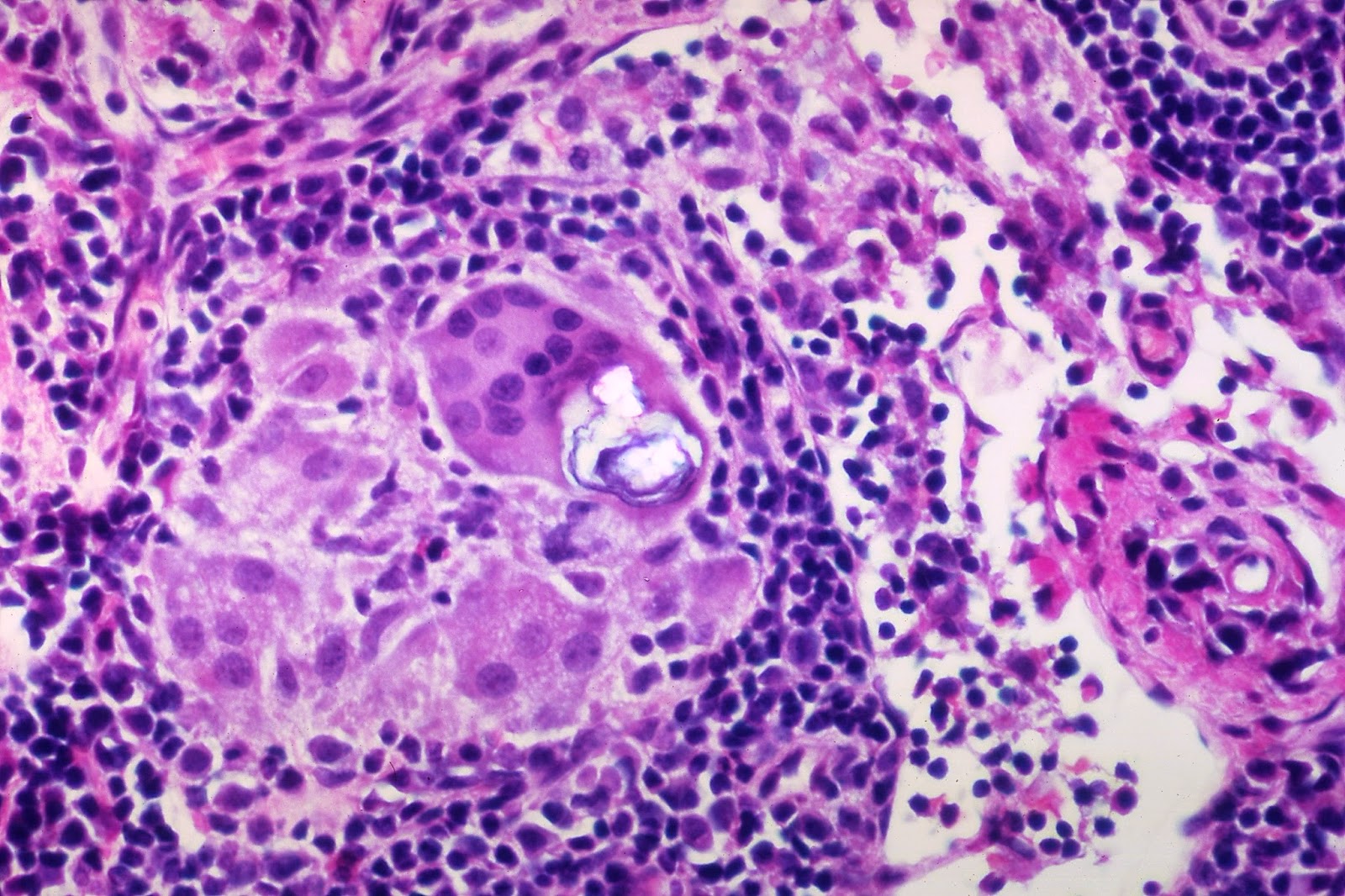
sacroidiosis with psamoma bodies
Keep in mind these tips during your preparation to improve your retention of material, don’t forget to check our tutoring guides at www.usmleprepguide.com to have a detailed tutor for your preparation, also if you have other ideas to help for studying let us know in the comment section.

Thursday, October 16, 2014

Studying HIGH YIELD Contents in USMLE


While preparing for each USMLE exam, many courses offer high yield contents that are commonly used in questions although not in the same way, you have to keep in mind that each question for a step is not repeated and will not repeat itself since the exam is made to be different along the year and for all students.

So if questions are so different about the same content, it is in the way you study these contents that the difference should be made, to prepare using high yield facts is more than just reading them or memorizing questions, you have to really understand these concepts, be able to explain them, know them by heart and even memorize diagrams for cycles and mechanisms, many examples come to mind when talking about high yield like membrane cell transporters, ETC, crebs cycle, thyroid function etc. 

When studying a high yield fact you should know everything about it, not just be able to explain it but also know the drugs that act on it, uncoupplers, exceptions, this also includes formulas, diagrams, frequently used images, structures etc.

A common mistake is to take high yield facts and memorize them by reading again and again the same line, you should be more active in your study, look it up in the book, read all about this fact, memorize it, find the odd information about it and mostly write it down in your own words, make a high yield facts card using your own information as well as the information provided by the courses you are using.


The most important part of your preparation comes by your own interest for improving what you know about a particular subject, in this line the more you investigate and discover by yourself about a subject will make you more capable to answer new questions that were not expected in your preparation courses.

Always remember that every single student that has aced or failed a particular step had almost the same information and material to study, it always comes down to the way you study and prepare not just by following a schedule or a course but actually taking an active role in your own formation, investigating, reading different sources, making your own explanations, sure it will take more time and yes sometimes this fact can  make your preparation more difficult and boring, but the important thing is to get this exam right once, and you won’t have to worry about studying again since all this information will be stuck with you for the long run.

So in short today is a perfect day to start tackling all those facts and improve your knowledge, remember that the sooner you start the better your odds will be, as always check our tutoring guides at www.usmleprepguide.com for detailed guides for every step, Our tutoring guides can help you also giving you guidance during your preparation, helping you keep track of important topics, it has a design from the most important to least asked topics and also includes tips and hints of how some topics may be asked and when you should memorize formulas, diagrams and images.

As always please leave your comments below in the comments section.

Thursday, August 28, 2014

Crack the Code


USMLE STEPS are not your regular type of exam, in fact their design is really one of the most elaborate type of test you will ever see, it has it all, images, calculations, two step answers, double negatives, best possible, choosing the wrong answer, second best option, clinical cases, ethical cases, all against the clock. 

The series are really hard to master, in fact there are fewer and fewer direct questions and every year it gets tougher by using less high yield contents, hiding key signs and symptoms, using more clinical cases for everything and increasing the volume of contents specially for new treatments.

As every exam the series has a code, a way of doing their questions, breaking the code means knowing and being comfortable with all types of questions, knowing what to expect is half of the battle, for these exams is something that will help you in your preparation, it will give you a way to anticipate contents that may be asked while reading them. Think of these as a feeling or a sense to anticipate what could be asked.

Some people seem to have an easier way than others with these type of tests, and this is because they are more comfortable with the type of questions, maybe they have a more attentive mind for details, it’s hard to say, but it is also something that you can learn to do, it’s possible to learn the skill of test taking and making your own way of doing it at the same time.

Practice, that’s the key for cracking the code behind these exams, practicing questions that are similar in structure will give you a sense of how things can be asked, question banks have to be an integral part of your preparation, including questions early on your preparation will give you a sense as to when you need to memorize things like, second best treatment, lab data differentials, relevant images, ETC uncouplers etc.

When taking question banks every day you will form your own method to read and answer to blocks, not everyone has the same way of doing things and in practice you will find a way that feels more comfortable with both your way of analysis and the allotted time for each block.

To start practicing with questions, after you have finished a subject let’s say biochemistry, at the end of each day studying other subject take some blocks of questions from biochemistry this will refresh those contents while giving you a way of understanding how questions are made, then apply this insight to your next day studies, and so on until you finish all your subjects and then start making questions from subjects where you feel are weaker.


Again thanks for listening, if you have any comments leave them below, and don’t forget to visit us at www.usmleprepguide.com

Thursday, August 14, 2014

Do not get distracted.


Don’t get distracted.


In our days where everything moves fast, everyone is available and connected there is an issue for medical students that is constantly undermining our efforts while preparing for any USMLE test, that is distractions, to learn we must remain focused, to memorize we have to actually pay attention at what we are looking at, it is a common mistake to keep yourself available for distractions while studying.

Remember that it’s not just time that you are using for studying it’s also attention, and that is a key factor when you are reviewing topics that requiere a lot to understand, like mechanisms, cycles, enzymes, math formulas, phases, stages, images etc. 

It’s logical to understand the importance of a clear mind to learn, but avoiding all contact with our connected civilization may prove to be a real challenge nowadays, here are some tips to have a correct space to prepare for your exams:

First of all find  a good place to study, that may be different from person to person but it has some
requirements like being a place with enough light to read, quiet, somewhere that has no people walking by, some place with the least amount of distractions like noises, cars passing, dogs barking etc. anything that can break your concentration. A bunker would be ideal. If there are no available maybe the far end corner of a big library. Although a corner in your home may as well be it.


2- go socially offline: that means no phone, no sms, no chats, no Skype, Fb, tweets, photos, etc. it’s important that when you are in study mode actually be focused in what you are reading and not be distracted by constant updates that are not important for your exams. All that social interaction should wait for a break.


3- stay away from the TV, internet except for study purposes, no radio, no music, no magazines etc. if your tablet is not being used for doing questions or reading something turn it off.

4- Learn to study alone: for theorical exams it is important to study by yourself, many of us like to
have a study partner to help us stay awake or for consulting or to keep each other in company, while sometimes your study partner may be really dedicated, most of the time people have different study schedules and habits, some more annoying than others but also distracting, after a month or so of studying by yourself you will find that you can get more done, have more retention of each topic and be more flexible in your own schedule.

5- Take a break, our minds are not designed to stay focused more than 45 to 50 min. before everything starts to look like incoherent doodles, maximize your study periods but also learn to use your breaks, that means physically move to other place, play videogames, maybe talk to people (not in the medical profession) for a while that seems to work really good as a distraction instead of just turning the tv on.

Avoiding distractions is a big part of taking your exams seriously, remember that your performance is mostly dependent on your preparation, by taking away any kind of distraction from the study table you will increase your retention and performance on your tests.

If you have any suggestions or comments for our blogs please leave them in the comments section.