Showing posts with label CLINICAL VIGNETTE. Show all posts

Wednesday, February 11, 2015

Study strategies and advice for USMLE no. 2


Continuing our previous blog on study strategies and advice for USMLE, We would like to continue recommending strategies for you to form your own strategy to tackle all the material for any Step, since having a strategy it’s important to your performance we are giving today some tips that hopefully will help you get a really great score in your tests.

Remember that preparing a step it’s not just about studying material and committing to memory facts and numbers, but also it requires you to have a strategy for preparation, a way to prepare you for the possible questions as well as highly used topics and high yield contents.

-Check the topic list:

Before starting a topic in any given subject check if it is important for the exam, there are many subjects that are not included in the exam or some that may be asked but are not regularly used, those should be the last on your list since studying the most used and high yield contents will be a more efficient use of your time.

If there is a topic you think it’s not really being used like for example (just as an example)  physiology of the auditory system, then by all means use your time and effort in a highly used topic like vitamins for example. All in all do some research about the topic you have doubts and ask in forums about it. Remember that it’s possible to ask for help when you need it.

-Write from memory

After you are done with a particularly difficult topic for you, make a quick review and write it down in your own words from memory, there is a part of our memory that helps retention when you write down those ideas. Also it will help you find those gaps that you have forgotten or where you are not sure about some fact.

Your own words will be the best way to review a subject quickly and more comprehensibly than reading cards or facts from other source.

-Check the unusual facts

There are always really unusual facts that are frequently used in the exams, like a protein named avidin that depletes a B vitamin to name one unusual fact, remember to write them down in one side of your review material, there are some that are frequently used in the exams, those particular or awkward signs and symptoms that make a disease different like blue colored sclera in osteogenesis imperfecta type 2, particularly also the clinical findings and manifestations of trisomy diseases and how you differentiate them from each other.

If you find unusual or strange data try to remember it and associate it to a disease, there may be clinical vignettes where you have to recognize the pathology using these unusual findings, including the use of images.

-Get your facts right

If you come across a fact or number that doesn’t seem right or you have doubts about its real value, double check it with a reliable source, search them in a well-known textbook or search online in official websites, it’s important to double check when in doubt since you will have one chance to get it right in the exam.

Also when you have doubts while answering question banks or simply trying to remember a topic, check again if you are not sure of some specific details, don’t leave your doubts in the air, you have to be more of a perfectionist in the case of doubts or missing pieces of information, remember that questions are made to be confusing or make you doubt your own answers so mastering each topic is really important.

-Add your own information

Whenever possible add information from your own research, you may find important details in textbooks or other sources that improve the ones you are working for your exam, add them as a side note, remember that there may be more and better ways to explain a topic that what you are currently reading, also simplicity in words and concepts are easier to remember, explain to others and use in a given situation.

-Associate images with important facts

There is always a really important fact lying in front of you in each image, it’s not just about the recognition of a given image or relation with a diagnosis, but also important details like specific growth media, bacterial growth requirements, specific deficiencies like the case of hemophilia, commonly found anatomical regions for growing a specific type of cancer etc. 

The whole idea is to add more contents to your knowledge when identifying a specific image. So they become available once you see the image presented, this will be important for questions on pathology, histology and medical imaging (x ray, cat scans etc.)
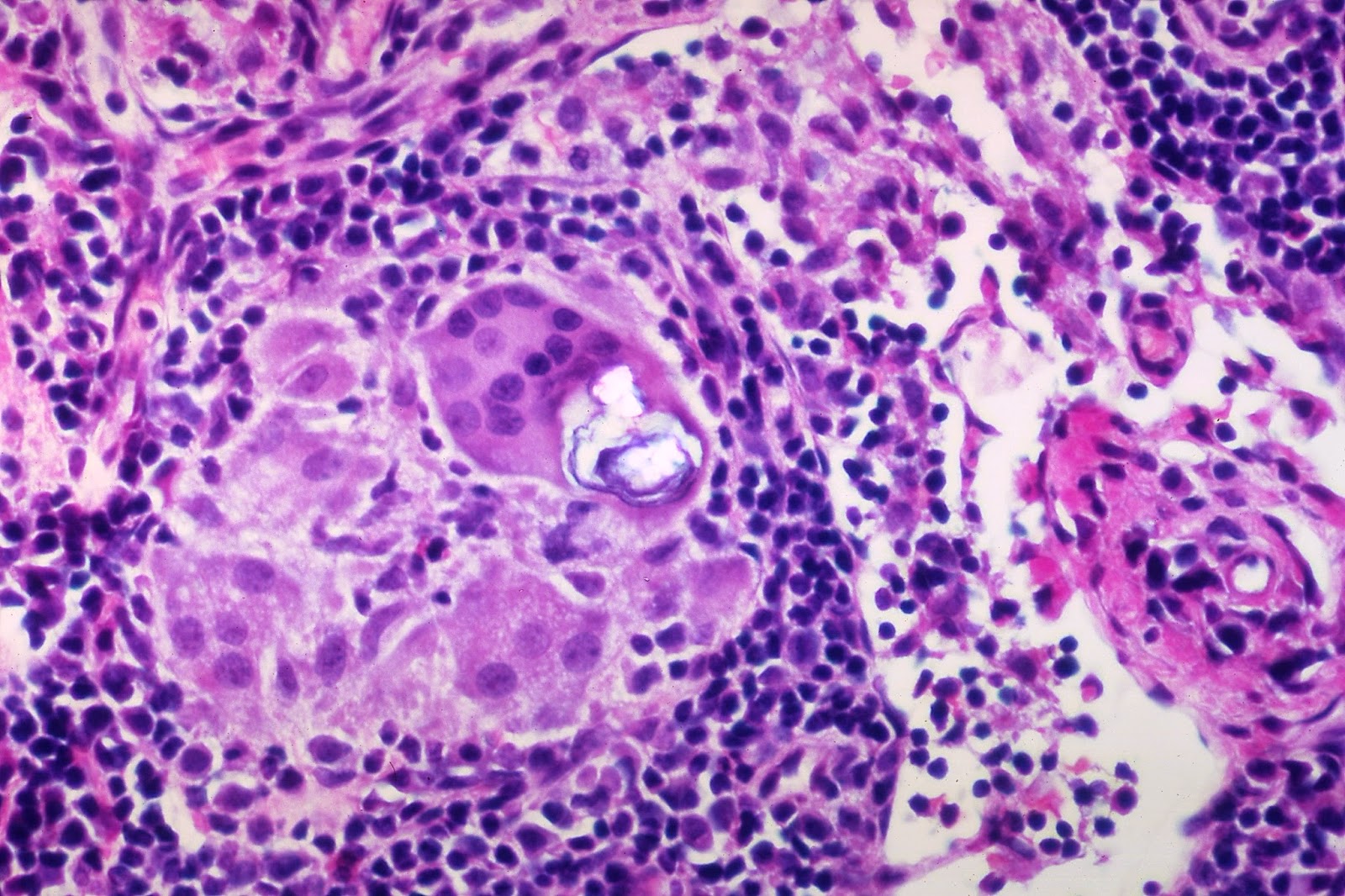
sacroidiosis with psamoma bodies
Keep in mind these tips during your preparation to improve your retention of material, don’t forget to check our tutoring guides at www.usmleprepguide.com to have a detailed tutor for your preparation, also if you have other ideas to help for studying let us know in the comment section.

Thursday, October 16, 2014

Studying HIGH YIELD Contents in USMLE


While preparing for each USMLE exam, many courses offer high yield contents that are commonly used in questions although not in the same way, you have to keep in mind that each question for a step is not repeated and will not repeat itself since the exam is made to be different along the year and for all students.

So if questions are so different about the same content, it is in the way you study these contents that the difference should be made, to prepare using high yield facts is more than just reading them or memorizing questions, you have to really understand these concepts, be able to explain them, know them by heart and even memorize diagrams for cycles and mechanisms, many examples come to mind when talking about high yield like membrane cell transporters, ETC, crebs cycle, thyroid function etc. 

When studying a high yield fact you should know everything about it, not just be able to explain it but also know the drugs that act on it, uncoupplers, exceptions, this also includes formulas, diagrams, frequently used images, structures etc.

A common mistake is to take high yield facts and memorize them by reading again and again the same line, you should be more active in your study, look it up in the book, read all about this fact, memorize it, find the odd information about it and mostly write it down in your own words, make a high yield facts card using your own information as well as the information provided by the courses you are using.


The most important part of your preparation comes by your own interest for improving what you know about a particular subject, in this line the more you investigate and discover by yourself about a subject will make you more capable to answer new questions that were not expected in your preparation courses.

Always remember that every single student that has aced or failed a particular step had almost the same information and material to study, it always comes down to the way you study and prepare not just by following a schedule or a course but actually taking an active role in your own formation, investigating, reading different sources, making your own explanations, sure it will take more time and yes sometimes this fact can  make your preparation more difficult and boring, but the important thing is to get this exam right once, and you won’t have to worry about studying again since all this information will be stuck with you for the long run.

So in short today is a perfect day to start tackling all those facts and improve your knowledge, remember that the sooner you start the better your odds will be, as always check our tutoring guides at www.usmleprepguide.com for detailed guides for every step, Our tutoring guides can help you also giving you guidance during your preparation, helping you keep track of important topics, it has a design from the most important to least asked topics and also includes tips and hints of how some topics may be asked and when you should memorize formulas, diagrams and images.

As always please leave your comments below in the comments section.

Monday, September 8, 2014

ALL OUR PRODUCTS FOR A $1.00

ALL OUR PRODUCTS FOR A BUCK $1.00

For limited time, we are having our prices lowered to cost, the reason for this is to check all our website system,  and to prove our checkout cart with real customers,

Help us improve:  we would like your opinion on our products, we are constantly improving our contents and updating material , to give the most relevant and important information in our products, to keep us growing  we need your help and opinion about our contents, so please leave us comments of how to improve, what you like and dont like of our study guides and how can we best meet your needs,

Visit our store at www.usmleprepguide.com today and find all our products for a dollar while it lasts,

In addition to our promotion we are giving away our products for FREE for your evaluation, if interested please mail us to www.hfyusmle@gmail.com and tell us which step you are preparing,


Hoping to hear from you all,

USMLEPREPGUIDE team.


Thursday, August 7, 2014

Read the question.. a USMLE advice


Read the question...

a USMLE ADVICE

 
It appears to be a simple assumption, but for CLINICAL VIGNETTE questions this is a really
important issue, the amount of clinical cases in step 1, step 2 ck and step 3 have been increasing over time getting in some cases to about half the test, this makes even more important to be advised on this type of questions.

When dealing with clinical cases it is important to read the whole case before trying to solve it, it is common that when reading a question we immediately try to give an answer before finishing our reading, the reason of this advice is because many clinical cases are not about the pathology, lab data or treatment, currently there are many questions using this format to evaluate biostatistics, population genetics, medical ethics, etc. 

You have to ask yourself, what do they want me to answer here?, generally the question lies in the bottom of the case but you should read the whole case first, many try to anticipate the answer reading the bottom question first, this may confuse you by giving an answer based on the first lines, its common that many information is hidden in the middle of the case that changes and obvious diagnosis, so again read the whole thing first, then try to answer.

In the exams you will find many questions using different words to ask for biostatistics terms, say
specificity, sensitivity, odds, median, etc. learn to identify what they are trying to ask first, so you can give a correct answer and make the appropriate calculation, you may find questions where they use the definition of a term instead of saying it directly, or rephrase that definition to confuse, or may ask for a negative trait of the specific term for example how many false positives will this test give, memorize the definitions of all terms that include a formula, since you will need to solve first what term are they asking to make the calculation.

In the case of laboratory tests and treatment, it is common to be asked about the second best, or the one that doesn’t apply to the case from the list of answers in this cases you are required to identify the wrong one, or the best second alternative, remember when studying to memorize the treatment in order of importance or according to protocol because this may be asked in a clinical case.

Other topic used in clinical cases is medical ethics, for example in child treatment, consent information, NDR forms etc. it is important to identify the type of ethical case first to be able to give a correct answer, although these are less common and you may find only a couple of questions in each exam, having them secured is really helpful.

The best way to improve for these exams is to practice, make as many questions as possible during your preparation, remember that is better to start practicing early for example when you finish your first subject make everyday questions about this subject while preparing the next one and so on, look for questions that are as real as possible, there are many question banks that are really accurate, but also even when doing questions that resemble the real thing there will be differences so the most important part of your preparation is to memorize definitions and curiosities or odd information about each topic  as much as possible and keep the mnemonics to a minimum.

If you have other suggestions for clinical vignette questions please leave them in the comments.

Wishing you as always success 

HFY Team.